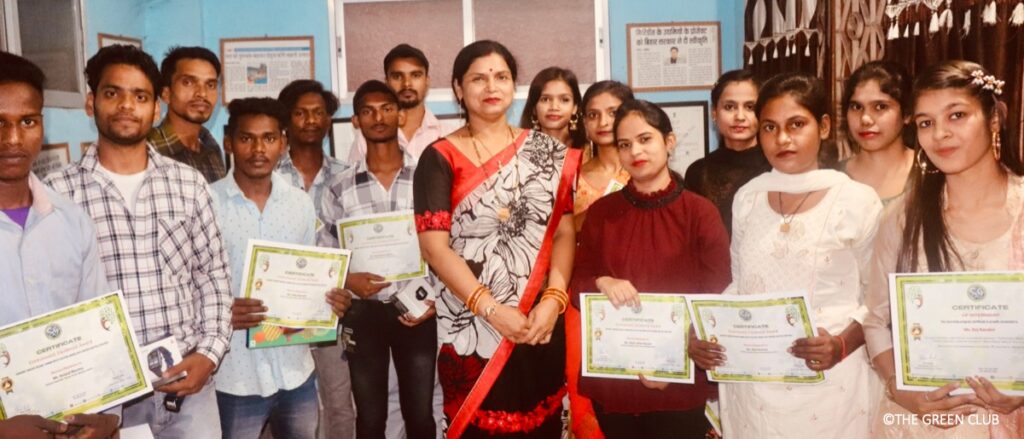
Sansar Green Army: Organizing Seminars in Colleges, Institutes, and Schools to Promote Environmental Sustainability
Sansar Green Army, an environmental initiative led by Rajeev Singh and his team, is committed to fostering awareness and action towards a greener, more sustainable planet. One of the most impactful ways they achieve this is by organizing seminars in colleges, institutes, and schools. These educational seminars focus on promoting two key aspects of environmental conservation: social plantation and organic farming. By engaging with students, educators, and the broader community, Sansar Green Army aims to instil a sense of responsibility and inspire the next generation of environmental leaders.
“By organizing seminars on environmental initiatives, we plant the seeds of change in young minds, nurturing the growth of a sustainable future. Through social plantation and organic farming, we empower the next generation to cultivate a healthier planet, one tree and one farm at a time.”. – Rajeev Singh
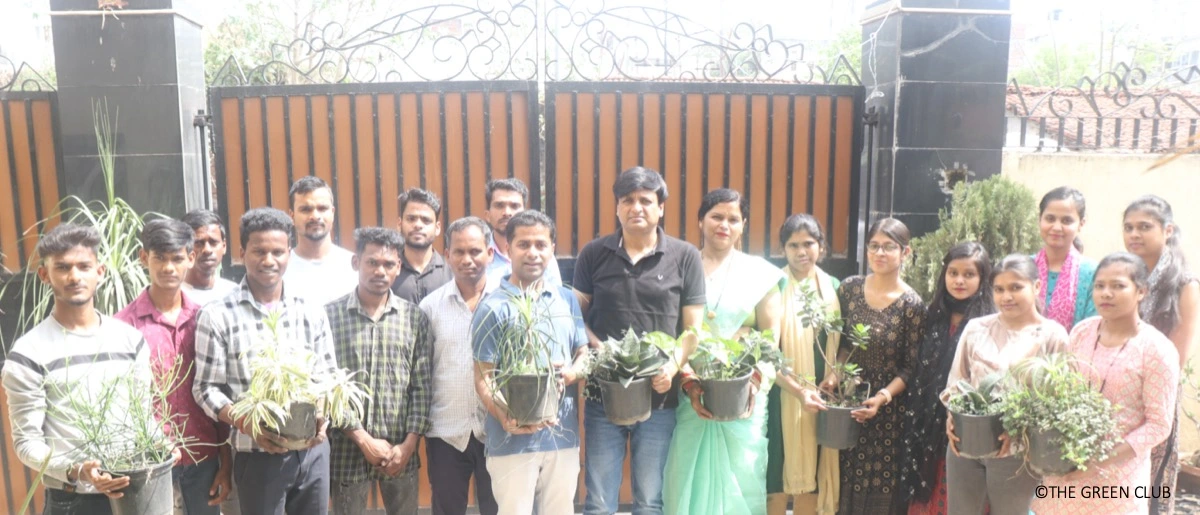
The Role of Seminars in Promoting Sustainability
Seminars are an essential tool for knowledge dissemination, awareness building, and community engagement. Through these seminars, Sansar Green Army seeks to equip students and the academic community with the knowledge and skills needed to drive environmental change. These events serve as platforms for deep discussions on sustainable agriculture, environmental conservation, and eco-friendly farming practices, thereby creating a ripple effect that spreads awareness and action beyond the seminar halls.
Key Themes Covered in the Seminars
-
Social Plantation and its Impact:
- Reforestation and Afforestation: The seminars focus on the importance of tree plantation, with particular emphasis on reforestation and afforestation efforts. Participants are introduced to the environmental benefits of planting trees, such as combating soil erosion, improving air quality, mitigating climate change, and enhancing biodiversity.
- Community Involvement in Plantation: Rajeev Singh and his team emphasize that tree planting is a collective effort, encouraging schools, colleges, and institutes to become active participants in large-scale plantation campaigns. They highlight how communities can create green spaces within urban environments and how trees can significantly improve the quality of life.
- Green Urbanization: A special focus is placed on how students can contribute to the creation of green urban spaces and how urban planning can incorporate more green areas to combat environmental challenges.
-
Organic Farming Practices:
- Understanding Organic Farming: The seminars introduce participants to the principles of organic farming, which involves growing crops without the use of harmful chemicals, pesticides, or synthetic fertilizers. The discussions explore how organic farming contributes to soil health, water conservation, and the production of healthier food.
- Sustainable Agriculture: There is a focus on how organic farming can become a sustainable alternative to conventional agriculture by maintaining ecological balance, promoting biodiversity, and reducing the carbon footprint. Students learn about crop rotation, composting, natural pest management, and other sustainable practices.
- The Economic and Social Benefits of Organic Farming: The initiative also sheds light on how organic farming benefits local farmers by improving soil fertility, reducing dependency on costly chemical inputs, and creating more resilient agricultural practices. The seminars emphasize how this approach can improve food security and empower rural communities.
-
Youth Empowerment and Environmental Advocacy:
- Engaging Students as Change Agents: One of the core objectives of these seminars is to encourage students to become advocates for environmental sustainability. Rajeev Singh and his team inspire young minds to not only take action in their own communities but also to pursue careers in sustainable agriculture, environmental science, and green technologies. They highlight how youth activism plays a pivotal role in shaping environmental policy and advocating for global change.
- Volunteerism and Community Action: Sansar Green Army promotes the idea of volunteering in local environmental initiatives. Students are encouraged to participate in tree plantation drives, organic farming workshops, and awareness campaigns. This hands-on experience allows them to connect theoretical knowledge with practical action.
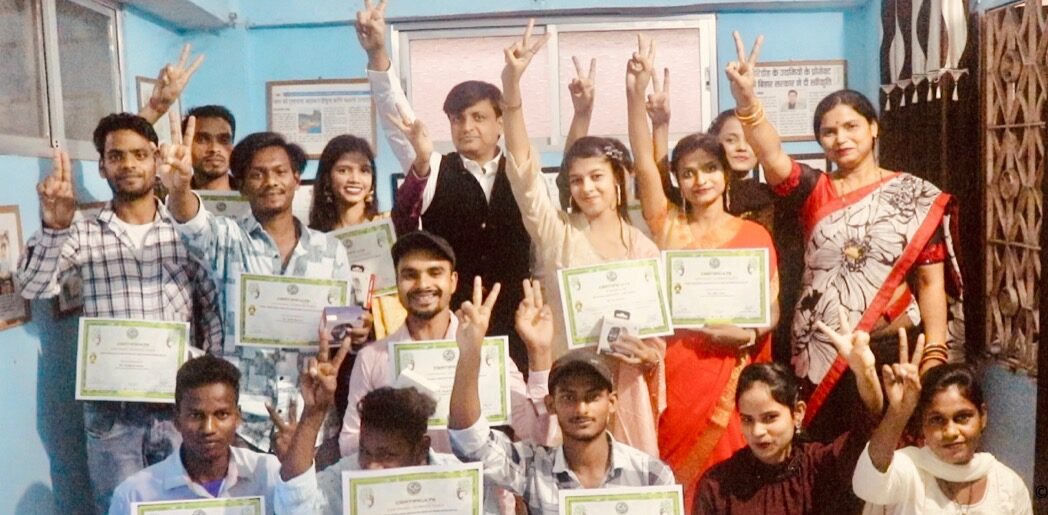
Seminar Formats and Activities
Sansar Green Army’s seminars are structured to maximize interaction, learning, and practical application. The format includes:
-
Interactive Presentations and Talks: Rajeev Singh and environmental experts from the team lead engaging discussions on pressing environmental issues. The presentations use a mix of visual aids, case studies, and real-world examples to effectively convey the importance of environmental sustainability.
-
Workshops and Practical Sessions: The seminars also feature hands-on workshops where students can learn practical skills like starting a small organic farm, creating compost, or planting trees. These sessions give students the opportunity to apply what they have learned in a tangible, meaningful way.
-
Panel Discussions and Q&A Sessions: Students and faculty are encouraged to participate in open forums where they can ask questions, express concerns, and engage with experts. These discussions foster a deeper understanding of environmental challenges and solutions, as well as the role of education and activism in addressing them.
-
Collaborations and Networking Opportunities: By organizing these seminars, Sansar Green Army also creates opportunities for students to collaborate with environmental organizations, NGOs, and local government bodies. Networking with like-minded individuals and groups helps create a united front for tackling environmental issues.
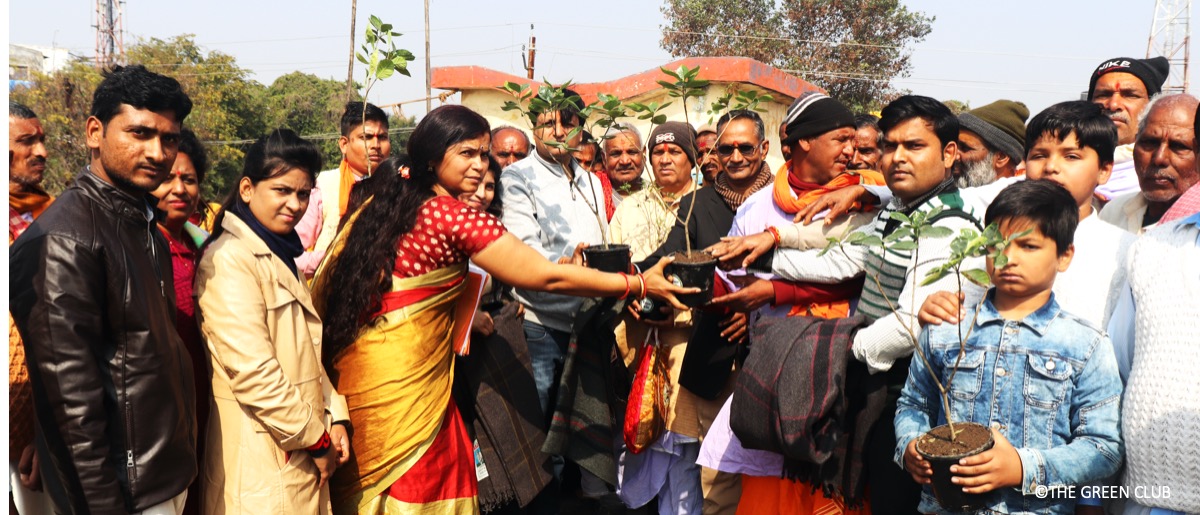
Impact of the Seminars on the Community
The seminars organized by Sansar Green Army have a profound impact on the participants and the wider community. Through these events, students gain a greater sense of environmental responsibility and understand how their actions can directly affect the planet. By teaching practical techniques for organic farming and social plantation, the initiative provides the tools necessary for individuals and communities to actively participate in environmental conservation.
Moreover, these seminars serve as a springboard for further action. Many of the participants, inspired by the knowledge shared at these events, take it upon themselves to organize plantation drives, promote organic farming in their localities, and become advocates for sustainable living. In some cases, students have even initiated environmental clubs or sustainability projects at their schools and colleges, further amplifying the movement.
Partnerships with Educational Institutions
Sansar Green Army collaborates with colleges, institutes, and schools to reach a broad audience. These partnerships play a vital role in ensuring the success and sustainability of the seminars. Educational institutions often support the initiative by offering their platforms to host these events, helping to secure the participation of students, faculty, and the local community.
In addition, Sansar Green Army’s seminars are designed to complement academic curricula, providing students with real-world examples of how environmental principles are applied in the field of agriculture, conservation, and social development.
Conclusion: Shaping Future Environmental Leaders
Through these seminars, Sansar Green Army is shaping a generation of environmentally-conscious individuals who are well-equipped to take on the challenges of the future. By focusing on social plantation and organic farming, the initiative ensures that participants not only learn about pressing environmental issues but also understand how they can contribute to solutions. These seminars empower students to become change-makers and instill a sense of responsibility to protect and preserve the planet for future generations.
In essence, the seminars serve as a catalyst for creating a sustainable future, where environmental conservation is a priority, and sustainable practices are woven into the fabric of everyday life. Rajeev Singh and his team, through these educational initiatives, are ensuring that the values of sustainability, environmental stewardship, and green innovation are passed down to future leaders and activists.